From the Grass Roots: How FCTC Article 5.3 Policies Are Making a Difference in India

From the Grass Roots: How FCTC Article 5.3 Policies Are Making a Difference in India

Summary:

  • Several state governments in India have implemented WHO FCTC Article 5.3 policies at a subnational level, and are seeing positive results in the form of reporting and stopping some tobacco industry/government interactions.
  • These policies seek to drive tangible differences across several areas which include restricting industry influence and improving accountability and state-level enforcement.
  • A new report examining these policies found that the policies are most effective when they extend beyond health departments, are broadly communicated and when official committees are created to actively oversee policy implementation.
  • Implementing Article 5.3 policies at the national level across the whole-of-government could help India protect its health policies from the industry’s influence at a larger scale.

India was one of the earliest champions of the World Health Organization Framework Convention on Tobacco Control (WHO FCTC), having ratified the landmark public health treaty in 2004. Of the many important provisions in the FCTC, Article 5.3 is considered a cornerstone.

It mandates Parties to the treaty to protect their tobacco control policies from the commercial and vested interests of the tobacco industry and those that serve its interests. In other words, it helps governments ensure that their health policies ultimately benefit public health, not the tobacco industry.

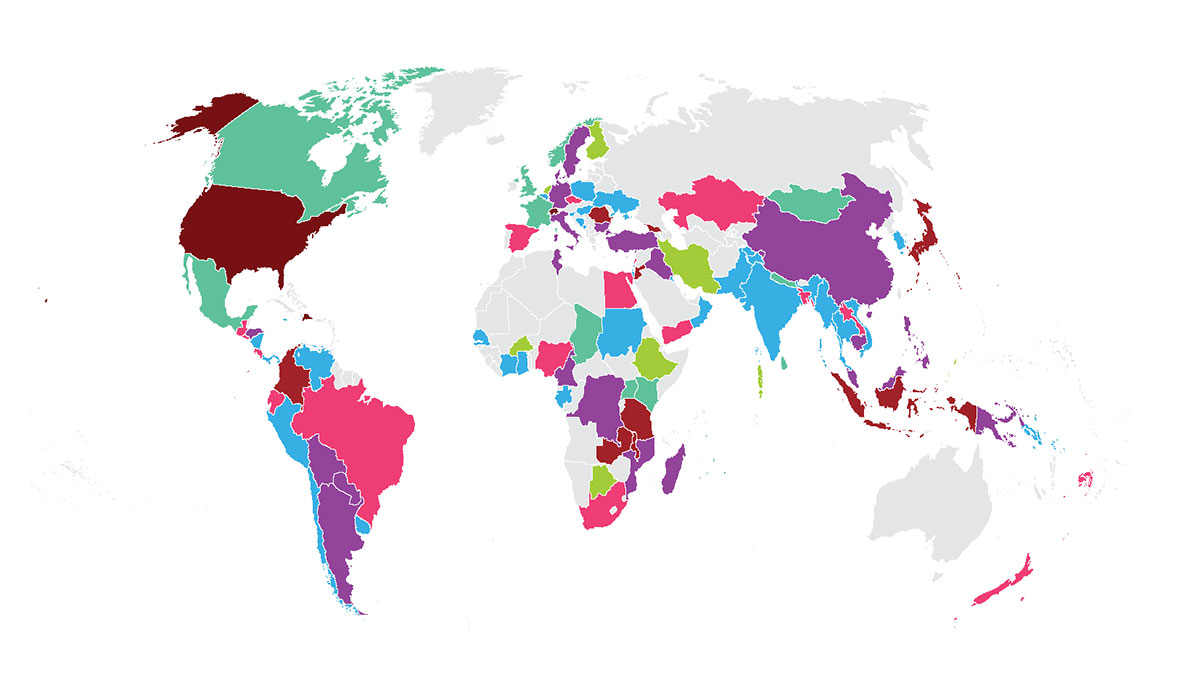
In the 2025 Global Tobacco Industry Interference Index, which assessed 100 countries’ progress in implementing Article 5.3, India showed room for improvement. While the Ministry of Health and Family Welfare adopted a code of conduct in line with Article 5.3 in 2020, it only applies to the ministry, and not to the whole-of-government.

But at the subnational level, many state governments have taken the lead in implementing Art. 5.3 policies and are seeing tangible results.

Assessing how subnational Article 5.3 policies succeed in India

To better understand the impact of these policies, as well as the challenges of implementing them, researchers interviewed many stakeholders, including people in academia, government officials and members of civil society, in 17 Indian states that have Art. 5.3 policies in place. The researchers gathered data on details of the policy, its scope and how violations were reported. They also held focus group discussions where 258 participants shared how the policies were being received, understood and used by stakeholders.

The results, published in a new report, showed a varied landscape of implementation and usage. The findings gave insight into the types of violations reported and uncovered examples of good practice that other governments can follow to ensure policymakers are acting in accordance with Art. 5.3 policies.

Dr. Shivam Kapoor, one of the report’s authors, said, “The diversity of India’s states is a strength. Each implementation experience offers practical lessons that can help refine policy, strengthen governance and move the country toward a more consistent and effective national approach to protecting health policymaking from commercial interests.”

Based on the study findings, Art. 5.3 policies may be most effective at preventing the industry from shaping public health mandates if governments:

Make policies broad:

Nearly all (15 out of 17) surveyed states created policies that extended beyond their health department. A health department implementing Art. 5.3 policies is an excellent start, but industry influence can still seep in via tobacco company interactions with other departments or ministries. Researchers found that other departments in India that were deemed most vulnerable to industry contact were education, municipal/urban development and tourism. Even though these departments don’t enact tobacco control policy, tobacco company offers of charity and funding are part of the industry’s so-called corporate social responsibility (CSR) strategy. These actions ingratiate tobacco companies with the government, create marketing opportunities and can pave the way for even more contact with policymakers.

Make policies official:

To maximize awareness and credibility of the policies, official approval through a cabinet and an official government notice, such as publication in a gazette, can give the policies more authority than simply being circulated within a department. Governments should also establish formal committees to oversee implementation so that the policies are enacted and enforced effectively. In their research, investigators found that most of the 17 states studied did establish a specific committee for this purpose. To be effective, it is important that these committees are active and functional.


Each implementation experience offers practical lessons that can help refine policy, strengthen governance and move the country toward a more consistent and effective national approach...

Dr. Shivam Kapoor

Make policies visible:

Researchers found that ensuring awareness of Art. 5.3 policies is one of the most important steps. The focus group discussions revealed that the health departments in all 17 states were aware of the policies, but in some states, the awareness was not as present in other government departments. Governments can encourage adherence by disseminating the policy across all government departments, at all levels.

Physical signage in government buildings and digital notices on government websites will also increase knowledge, including among the public. “Protecting public health is not solely a government responsibility. When people understand Article 5.3, they can monitor decision-making, question conflicts of interest and encourage stronger implementation of safeguards against tobacco industry interference,” said Dr. Upendra Bhojani, another author of the report.

Make policies easy to use:

Making the policies easy to see, understand and use will encourage participation. Governments can circulate a clear definition of what constitutes the tobacco industry, including a list of tobacco companies active in the area and their representatives. Governments can include exclusionary clauses in contract templates. They can broadly and prominently communicate how to report violations, and establish clear steps that the enforcement committee can take when a violation is reported.

Make policies relevant:

Some of the people the researchers talked to said they had a difficult time convincing higher-level officials why interactions with the tobacco industry were problematic. To engage people in Art. 5.3 policies, it’s important for them to see why the policies exist, and to show their results. Governments should monitor and report on industry interference attempts, and show how Art. 5.3 policies mitigated them. Therefore, the researchers recommend the development and adoption of state/region-specific operational guidelines or action plans for implementing these subnational Article 5.3 policies across India.

Promising results

While there is often room for improvement in implementation, this research and many editions of the Global Tobacco Industry Interference Index show that implementing and enforcing Art. 5.3 policies helps reduce industry interference and protects health policy from industry influence. Participants flagged several tobacco industry interactions that were prevented or canceled after the Art. 5.3 policies were introduced.

Following reports of a medical college, a hospital and schools receiving industry funding in Maharashtra, the state issued letters citing Art. 5.3 to the relevant authorities, including the medical education department and concerned district officers. This resulted in the end of the funding and partnerships. The industry is known for targeting medical professionals and making donations to education initiatives, which WHO says has “no beneficial outcomes for youth” and gives tobacco companies almost direct access to their target audience, young people.

In Karnataka, some government agencies were reported to be receiving funds from or partnering with the tobacco industry on a waste management initiative and watershed development projects. This industry greenwashing does not come close to undoing the environmental damage caused by the industry and its products. Toxic cigarette butts, which contain plastic, are the world’s most-littered item and leach chemicals into waterways. In these cases the state published letters or notices which often ended the funding or partnerships.

These are just some of the examples researchers uncovered of how Art. 5.3 policies were mitigating industry influence.

Rising to the national level

The report points out that, in India, state health departments often implement tobacco control regulations before they are adopted at the national level (for example, banning e-cigarettes).

Dr. Kapoor said, “India’s experience shows that subnational leadership can drive national progress. When states lead by example, they create a roadmap for stronger national safeguards. Embedding Article 5.3 across all sectors of government is not just good governance, it is an investment in healthier populations and lives saved.”

Given the promising results of these Art. 5.3 policies so far, the Indian government could benefit from implementing Art. 5.3 policies nationally, across the whole-of-government and standardizing these efforts across all states, so that their impact can reach even further and protect even more people.