New Report Flags Possible Tobacco Industry Role in Illicit Cigarette Trade in the Philippines

New Report Flags Possible Tobacco Industry Role in Illicit Cigarette Trade in the Philippines

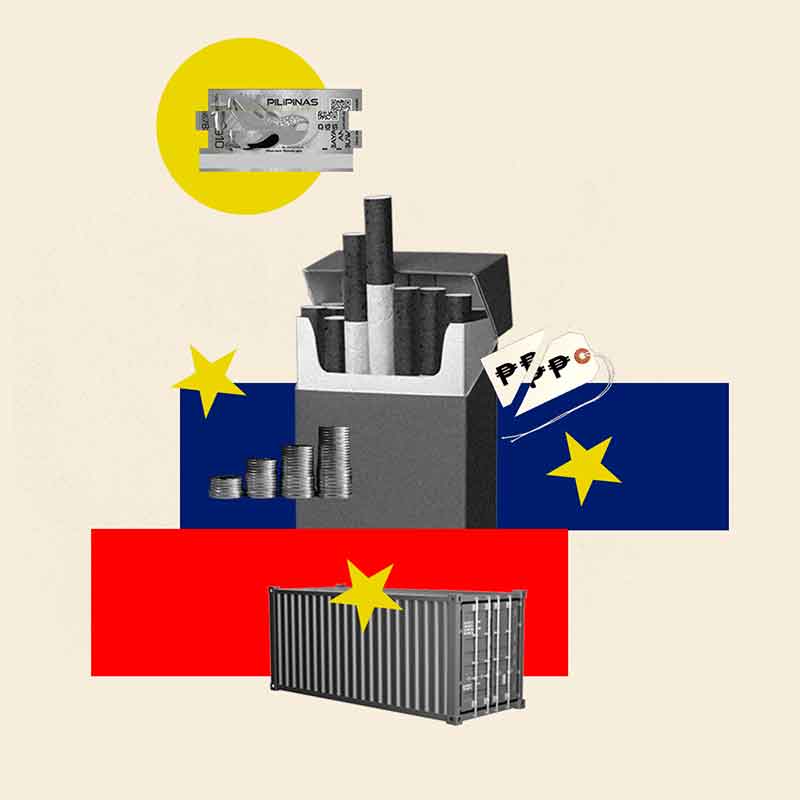
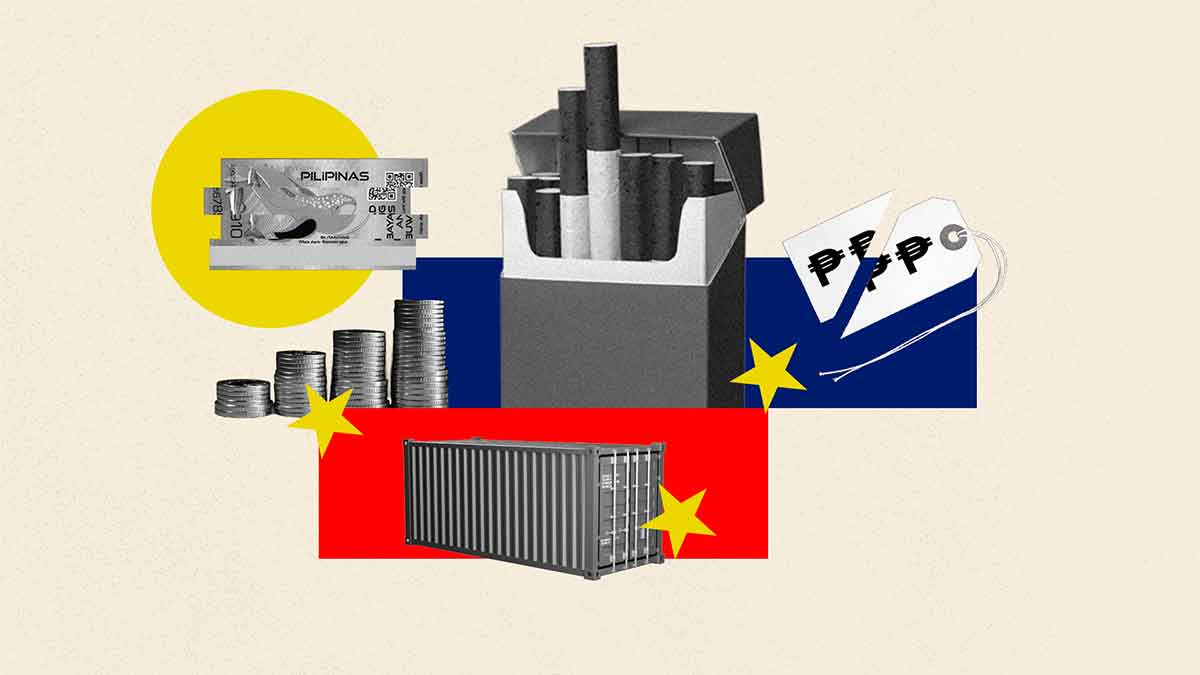
(New York, United States, 4 February 2026): A new report from global tobacco industry watchdog STOP raises concerns that tobacco industry practices may be contributing to illicit cigarette trade and lost government revenue in the Philippines. The report, “Complicit in Illicit? Tobacco Industry Tactics in the Philippines,” cites evidence that packs of leading cigarette brands were found without the correct, legally-required tax stamp and being sold at prices too low to meet minimum tax requirements, suggesting possible tax evasion. It also notes geographic variations in the illicit market. These findings directly challenge the tobacco industry’s long-standing claim that higher tobacco taxes are the main driver of illicit trade.

As the 20th Congress of the Philippines resumes, public health advocates are concerned that the tobacco industry continues to push misleading narratives blaming tobacco tax increases for illicit trade in an effort to weaken tax policy. Rolling back tobacco taxes could reverse hard-won public health gains, keeping cigarettes affordable, encouraging youth smoking and deepening health inequities. The government raised Php 134.52 billion through tobacco taxes in 2024, with a substantial proportion allocated to health spending.

“Increasing tobacco taxes has helped reduce smoking rates in the Philippines, so it is not surprising that the industry is trying to reverse these measures,” said Jorge Alday, Director of STOP at Vital Strategies. “Independent research shows that tobacco taxes are not the main driver of illicit trade and suggests the industry itself may be part of the problem. Cutting taxes would primarily benefit tobacco companies and risk undoing major health and equity gains. Filipinos deserve better.”

Independent data challenges industry claims

Although tobacco taxes are the same nationally, recent research finds that illicit trade levels vary significantly across cities and regions. This suggests that taxation is not the primary driver of the illicit market, as the tobacco industry claims, and drivers such as weak enforcement, supply chain leakages, corporate pricing strategies and local governance gaps need to be addressed. And an empty pack audit conducted by Action for Economic Reforms (AER) across sari-sari stores found that more than 90 percent of cigarette packs collected bore brands registered with the Bureau of Internal Revenue (BIR). This proves that Filipino smokers predominantly purchase registered brands produced by major tobacco companies rather than unregistered or unknown products, underscoring the dominant position of these companies in the Philippines.

Tax stamp violations raise accountability concerns

Cigarette packs must carry a tax stamp to confirm manufacturers and importers have paid the correct excise tax prior to sale. The audit identified tax stamp violations, including counterfeit stamps or missing stamps, on packs bearing brands of Philip Morris Fortune Tobacco Corp. (PMFTC), a subsidiary of Philip Morris International (PMI), and Japan Tobacco International (JTI), raising questions about whether taxes had been correctly paid on these packs.

While it is not known whether these packs were legitimate or counterfeit, the presence of tax stamp violations on registered brand packs raises concerns about whether tobacco companies are fully controlling their own supply chains.

Registered brand cigarettes sold below legal minimum prices

Researchers also found registered cigarette brands being sold in formal retail settings below the legal minimum price. In some cases, prices fell below Php 71.42, the threshold at which excise and value-added taxes could plausibly be paid, suggesting possible tax evasion. Such pricing increases affordability and access, particularly among young people and low-income communities, while depriving the government of much-needed revenue.

Tobacco companies benefit from illicit trade and pricing tactics

Drawing on global evidence, the report reveals examples of industry involvement in illicit trade and outlines how it can benefit tobacco companies by keeping prices low, undermining measures like health warnings, sustaining addiction, and fueling false arguments to oppose strong tobacco control policies.

The report also highlights evidence that tobacco companies in the Philippines have used tax increases to raise prices beyond tax-related adjustments, a practice known as overshifting, allowing them to increase profits even if consumption declines. This suggests there is room to increase taxes further, protecting youth, encouraging quitting and allowing the additional revenue to benefit society instead of the industry.

Dr. Allen Gallagher, Co-Director of the Tobacco Control Research Group at the University of Bath and a contributor to the report, said governments should view industry arguments with skepticism. “This report highlights the need for stronger enforcement, not lower tobacco taxes, to address illicit trade,” Gallagher said. “Ratifying the Protocol to Eliminate Illicit Trade in Tobacco Products and introducing measures including an independent track-and-trace system, which the Philippines is working toward, would help authorities identify the source of illicit products and ensure tobacco taxes are fully collected.”

Please contact the STOP press office for media inquiries and interview requests.
Notes to Editors:

About Tobacco Use in the Philippines

In the Philippines, an estimated 20.4% of those age 15 and older use tobacco. Although smoking prevalence in the Philippines has decreased from nearly 30% in 2009, the economic burden of tobacco use continues to be significant, costing an estimated Php 261 billion (US $4.6 billion) per year. Worryingly, nearly one in ten 10–14 year-olds still use tobacco. High tobacco taxes and prices are a key disincentive to children and young people starting to smoke. Since the Philippines’ Sin Tax Reform Act of 2012, tobacco tax increases have helped to reduce smoking rates and increase tobacco tax revenues, much of which was earmarked to expand access to healthcare among low-income households. The Department of Health’s budget rose from Php 42.2 billion in 2012 to Php 209.1 billion in 2023. The Philippines’ Bureau of Internal Revenue (BIR) estimated that the government lost Php 25.5 billion (US $448.6 million) in tax revenues in 2023 due to illicit tobacco trade.

PMFTC Inc., a joint venture between Philip Morris International and the Fortune Tobacco Corporation, dominates the market with a market share of around 61% in 2022. Japan Tobacco International has a market share of 38%, thanks to its 2017 acquisition of local company Mighty Corporation. Together, these two companies account for virtually all of the licit cigarette sales in the Philippines. Industry revenues were estimated to be US $7.3 billion in 2024.


About STOP

STOP is a global network of academic and public health organizations. STOP connects experts in all aspects of the tobacco industry’s business to expose and counter its relentless efforts to sell harmful, addictive products. For more information, visit exposetobacco.org.