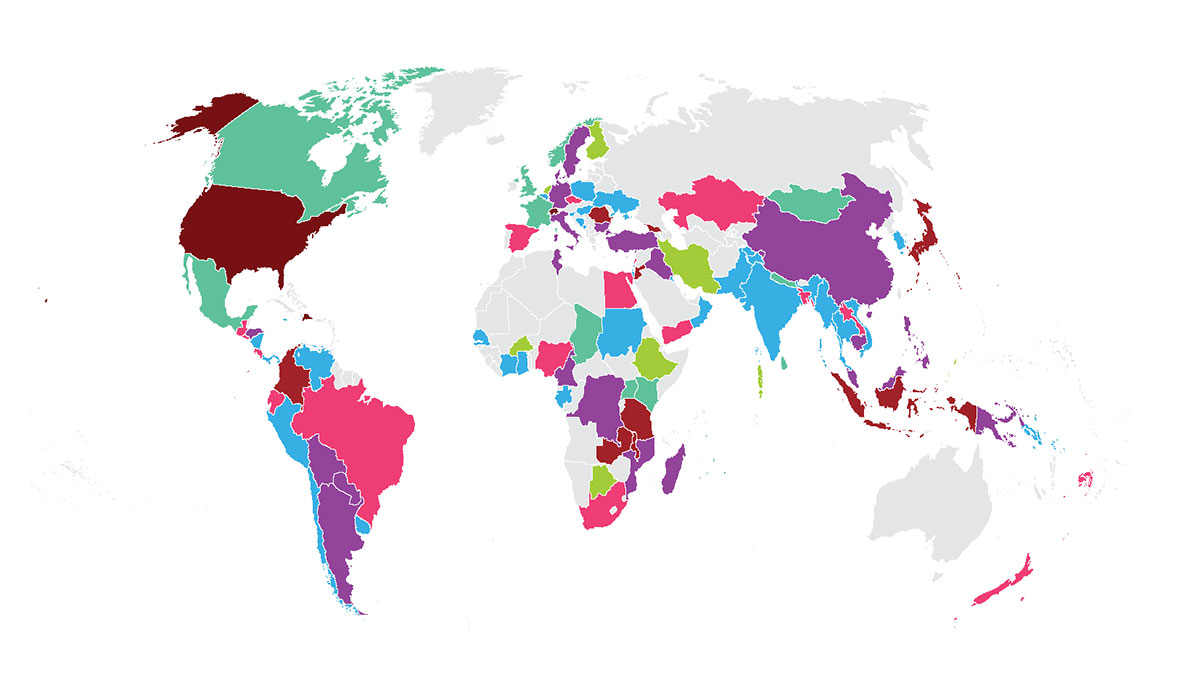
The Index helped lay groundwork for preventing industry interference in Lao PDR. In 2021, the government included specific measures to prevent industry influence (such as accepting sponsorships from the industry or recruiting industry professionals to join tobacco control committees) in its amendments to the Tobacco Control Act.
And in some cases, the Index helped policymakers see that industry interference was happening in the first place. In Zambia, where the industry is reported to operate “behind closed doors” when meeting with government officials, this type of interaction hadn’t previously been labeled as interference.
The indices reached the public, as well, as some indices drew media attention to the industry’s activities. In Brazil, people learned about industry interference through a podcast. In France, a tobacco control group held an awards ceremony to highlight the best in Article 5.3 implementation and the worst in interference tactics. And in Switzerland, the Index, which showed that the country received the worst ranking in the GTI, helped strengthen support for a law that would ban tobacco advertising aimed at youth.
The new report contains country-specific case studies that show even more ways the indices contributed to important tobacco control progress.
Monitoring must continue
The industry has been cited as the greatest barrier to implementing effective tobacco control measures. The onus of implementing these measures is on governments, who have an obligation to protect their citizens’ health from tobacco’s commercial interests.
To counter the industry’s interference, this type of monitoring and reporting must continue, so that countries can manage it by putting in place protective measures in accordance with WHO FCTC Article 5.3. If industry meddling is happening in your country, report it to STOP. In the meantime, sign up for STOP’s emails to stay informed about the industry’s activities around the world.