Flue-Cured Tobacco (FCV) Fact Sheet
May 05, 2026
Flue-cured tobacco (FCV) is the most commonly used tobacco leaf on the market—and one of the most addictive and environmentally damaging.
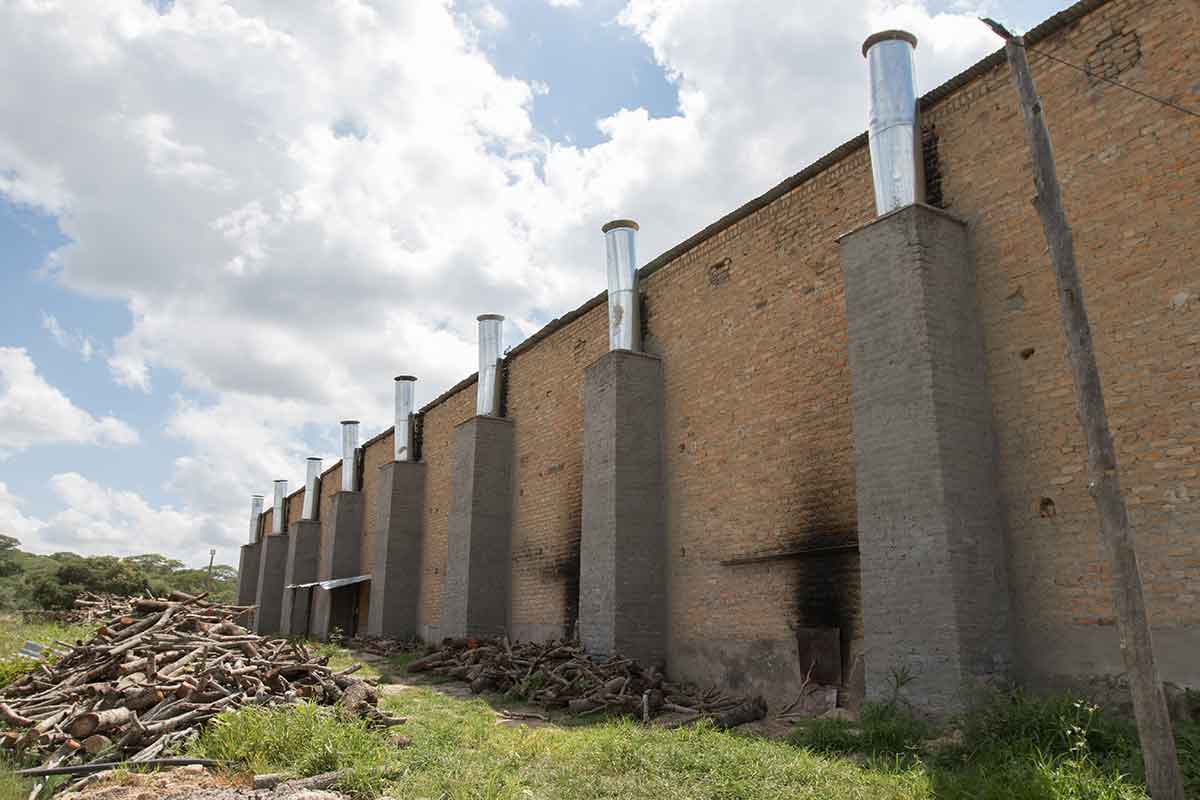
The tobacco leaf is cured using heat from wood or coal fires, and the energy costs are enormous. Curing enough tobacco for only 300 cigarettes requires burning one tree, totaling eight million tons of firewood annually for FCV production. In some areas such as the Miombo Woodlands in central Africa, FCV is a major driver of deforestation.
The growing and curing process for FCV also leads to a higher sugar content and milder taste, making products containing flue-cured tobacco especially addictive. Since farmers, the environment and tobacco users are all suffering from the negative effects of flue-curing, the only ones who benefit from the world’s foremost tobacco crop are tobacco companies.