Flue-Cured Tobacco in Zimbabwe: A Particularly Harmful Commodity Requiring the Attention of Tobacco Control
January 12, 2026
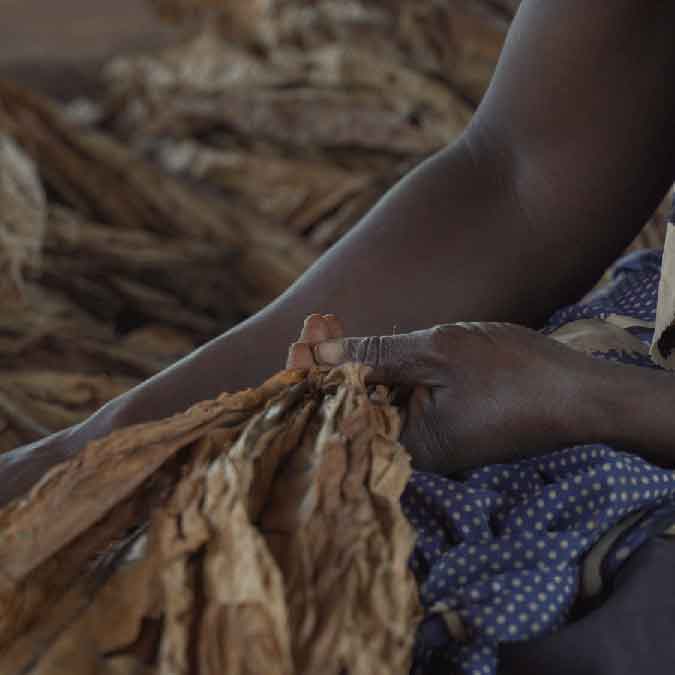
Flue-cured tobacco is highly profitable because it makes cigarette smoking feel less harsh and increases dependence on nicotine. However, it also has devastating environmental impacts and contributes to the cycle of poverty for contract tobacco farmers in Zimbabwe.
The curing process requires burning wood to slowly and steadily dry tobacco leaves. Many farmers use wood from the Miombo woodlands, the region where 90% of Africa’s tobacco is produced. Recent research has shown that interventions must be made to protect the woodlands from irreversible damage due to tobacco processing. Further, exploitative contracts with tobacco companies often leave tobacco farmers without the income required to pivot away from wood to alternate fuel sources.
New research from the University of Bath, a partner in STOP, sheds more light on this important issue.