Leading by Example: 4 Ways Countries Are Fighting Tobacco Industry Interference

Leading by Example: 4 Ways Countries Are Fighting Tobacco Industry Interference

Summary

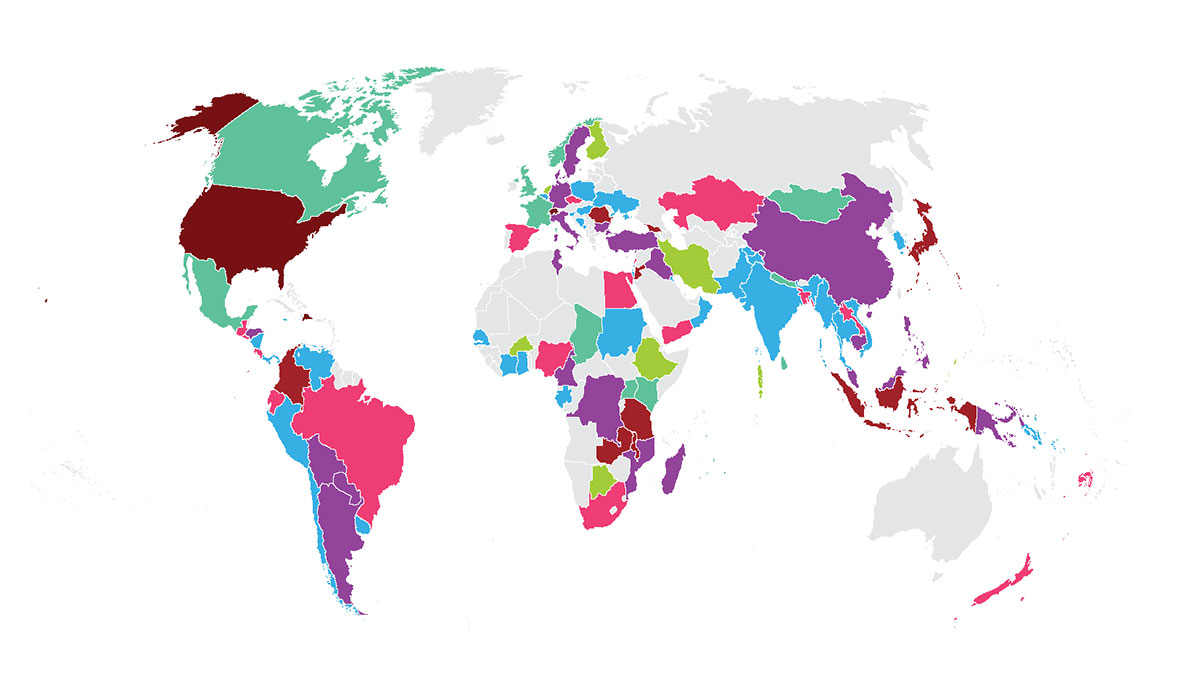
  • According to the 2025 Global Tobacco Industry Interference Index, many countries made notable progress in standing up to tobacco industry interference.
  • Some of the best-performing and most-improved countries were Botswana, Brunei, Ethiopia, Finland, the Maldives, the Netherlands, Palau and Uruguay.
  • These countries countered interference by rejecting industry CSR, strongly regulating (including banning) new products targeting youth, enforcing transparency in government interactions and progressing implementation of Article 5.3.

The 2025 Global Tobacco Industry Interference Index showed us two things.

First, governments are taking concrete steps to protect policy from tobacco industry interference. At least 32 countries have banned the industry from pursuing so-called corporate social responsibility activities. Such measures eliminate opportunities for the industry to promote itself and prevent policymakers from becoming indebted to tobacco companies. More than 20 countries banned or restricted tobacco industry donations to political parties, lowering the risk of conflicts of interest. And 18 countries made progress in upholding their commitments to Article 5.3 of the WHO Framework Convention on Tobacco Control (FCTC), strengthening their defenses against industry interference.

These decisive actions will have long-term, life-saving effects.

Second, the Index showed us that there is always more that governments can do, especially as industry tactics continue to evolve. In the latest edition of the Index, no country had an overall perfect score, demonstrating that nowhere was immune from industry efforts to influence policy. The tobacco industry has become increasingly aggressive in its efforts to influence policy in its commercial favor, but governments around the world can look to countries that made significant progress.

Some of the best-performing and most-improved countries of the 100 surveyed for the 2025 Index included Botswana, Brunei, Ethiopia, Finland, the Maldives, the Netherlands, Palau and Uruguay.

Here are four areas in which they excelled: 

1. Ethiopia and Finland rejected tobacco industry corporate social responsibility.

So-called corporate social responsibility (CSR) activities may look generous on the surface, but when they’re coming from the tobacco industry, there are usually strings attached. The Index showed how heavily the industry relies on CSR activities, such as environmental clean-up events and charitable donations, to distract from the harm it causes, endear itself to the public or get closer to policymakers.

The governments of Ethiopia and Finland took action to curb this often under-the-radar influence. Ethiopia upheld its ban on the tobacco industry’s involvement in charitable activities by closing a Japan Tobacco International-National Tobacco Enterprise-sponsored community hall in the Sidama region. Finland, which previously gave the industry a role in managing cigarette butt litter, revised its system and now requires the industry to pay for municipal cigarette waste collection. This holds the industry accountable for some of its environmental harms, while not giving it the opportunity to greenwash its business practices.

Several governments took action and joined the growing list of countries that are exposing behind-the-scenes lobbying.

2. Palau, the Maldives and Uruguay rejected industry misinformation and acted to protect youth.

The industry has a playbook: When the harms of one of its products becomes widely known and publicized, tobacco companies pivot to promoting a newer, “better” product. Historically, these products proved to be no safer. The industry did this with “light,” “mild,” and “low-tar” cigarettes, and it’s doing it now with heated tobacco products (HTPs), e-cigarettes and nicotine pouches.

To protect the youngest generations from becoming hooked on these addictive products whose long-term health effects are unknown, countries took action. Palau and the Maldives banned e-cigarettes, which the industry has aggressively targeted at young people, and Uruguay reversed a 2021 decision to allow the sale of HTPs, reinstating the ban in 2025. 

3. Botswana, Finland and Ethiopia prioritized transparency.

When governments allow officials to meet with industry representatives behind closed doors, Big Tobacco’s influence can go unchecked. Minimizing interaction between government officials and tobacco industry representatives to only when strictly necessary, and requiring such interactions to be transparent and publicly documented, are two of the best antidotes to industry meddling in policy.

Several governments joined the growing list of countries that are exposing behind-the-scenes lobbying. In Finland, the National Audit Office launched an investigation into tobacco lobbying after two Finish members of parliament failed to declare expenses for their PMI-sponsored trip to its research and development facility in Switzerland. Botswana’s Tobacco Control Act required the public disclosure of all interactions with the industry, including meeting agendas, attendees and outcomes. And the Food and Drug Authority of Ethiopia established a code of conduct to guide the documentation and public reporting of all interactions with the industry.

4. Brunei, Palau, the Netherlands, Botswana and Ethiopia made progress in Article 5.3 implementation.

Perhaps most important, countries further implemented or upheld Article 5.3 of the WHO FCTC. This article seeks to stem industry interference at its root by requiring that governments limit interaction with the industry to only when strictly necessary to regulate it, to reject partnerships with the industry, to be transparent in its dealings with the industry and more.

Brunei upheld its code of conduct issued by the Prime Minister’s Office prohibiting all civil servants from interacting with the industry. Palau declared May “Tobacco Industry Interference Awareness” month in 2024 and made progress on its code of conduct on Article 5.3. In the Netherlands, the government upheld its requirement that all civil servants follow a code of conduct that references Article 5.3 when interacting with industry lobbyists. Botswana incorporated Article 5.3 into its national tobacco control legislation and Ethiopia’s Customs Commission ended its Memorandum of Understanding with Japan Tobacco International in 2024 to align with Article 5.3. The Ethiopian government has also conducted media campaigns and awareness programs for government officials about Article 5.3’s obligations.

There is more work to be done to resist tobacco industry interference

Progress in each of these areas helps create a stronger barrier between a deadly industry and health policies meant to protect people. While even the best-performing and most-improved countries of the 2025 Index can still do more, other countries can and should follow their lead in these key areas.

See how your country ranked in the 2025 Index, or read the report to learn about other innovative ways governments fended off persistent attempts at industry interference.