IQOS and heated tobacco products FAQs
- Which is more harmful, IQOS or cigarettes? The evidence is inconclusive. Big Tobacco markets HTPs as “reduced risk,” but there is limited data available that’s appropriate to use in estimating the risk of lung cancer from HTP use. Its emissions also contain higher levels of some harmful chemicals than cigarette smoke.
- Is IQOS harmful? Yes. IQOS contains tobacco, and the use of any tobacco product causes harm. IQOS also contains nicotine, which can be harmful to young people.
- Does using IQOS have health risks? Yes. HTPs haven’t been proven to lower the risk of lung cancer and other diseases, and there is no independent data on long-term health risks. Even though IQOS may expose users to lower levels of some chemicals, that has not been proven to reduce the risk of developing tobacco-related diseases.
Read this blog in Turkish.
The world’s four largest international tobacco companies, Philip Morris International, British American Tobacco, Japan Tobacco International and Imperial Brands, have a product they’re excited to tell you about. Some of these companies have described this product as a “less risky” alternative and a “much better choice” than cigarettes. Others have labeled it as “reduced-risk” and even an “important milestone” on the company’s “journey to build a healthier future…”
Sound familiar?
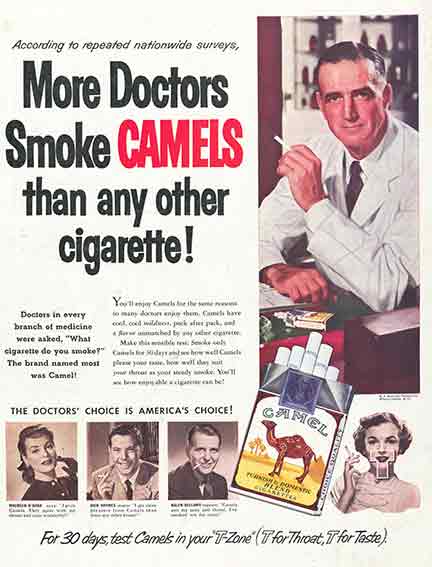
These claims echo the industry’s past attempts to convince smokers to switch to its newer, “safer” products, instead of quitting.
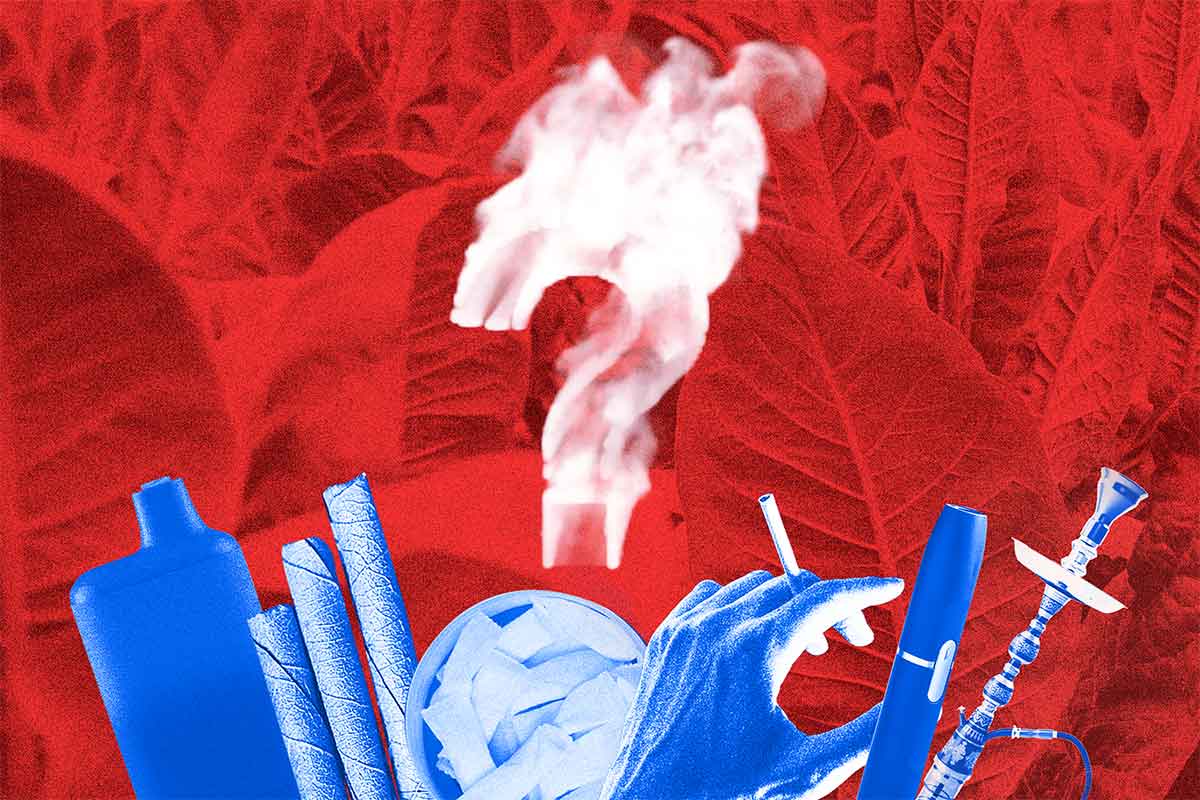
These claims aren’t from decades past—they’re all live on these companies’ public websites, and they are all referring to heated tobacco products, or HTPs. Each of these companies has developed HTPs, which they claim heat rather than burn tobacco and are, therefore, lower-risk than cigarettes. Examples of HTPs on the market today include IQOS (PMI), glo (BAT) and Ploom (JTI).
The problem? The evidence to date on the risks of HTPs is inconclusive, and switching from cigarettes to HTPs has not been proven to reduce someone’s risk of disease. Given the industry’s history of manipulating science and pushing products it knew were not actually safer, policymakers, the public health community and the public should be wary of the industry’s claims.