The FCTC has addressed the biggest barrier to progress: a predatory industry
While people have seen or experienced many of the FCTC’s measures in action, such as graphic health warnings or smoke-free spaces, they may benefit the most from a provision they can’t see at work, Article 5.3, which requires governments to protect their health policies from tobacco industry meddling.
The tobacco industry has been called the biggest barrier to reducing tobacco use. One of the ways it has successfully kept the tobacco epidemic going is by influencing policymaking, so that policies ultimately protect its commercial interests instead of public health.
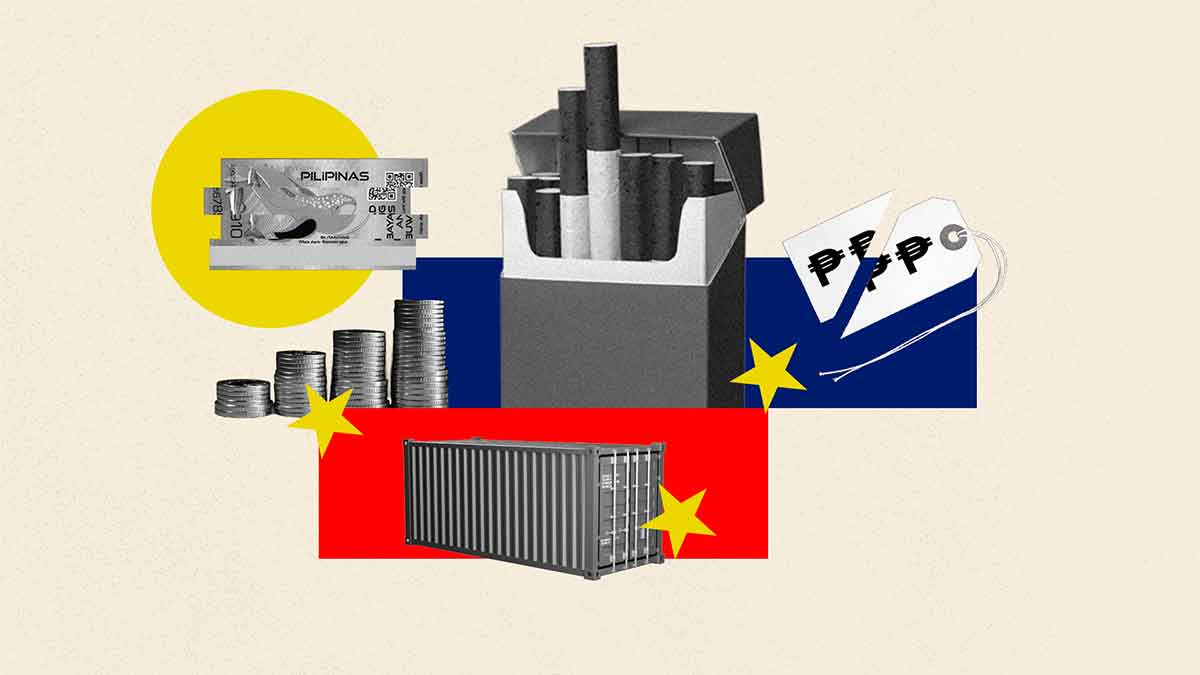
For example, the industry has lobbied governments to decrease tobacco taxes or to delay or block tobacco tax increases. It has influenced parliamentarians to file bills that promote the tobacco industry and fights to delay comprehensive tobacco control bills from being passed or implemented. It has sought collaborations with government officials and endorsements of so-called corporate social responsibility (CSR) activities, like litter cleanups or tree plantings. The industry has even sued governments, many of them in low- and middle-income countries, when governments tried to implement life-saving tobacco control legislation.
According to the Global Tobacco Industry Interference Index, which documents how well governments protect their policies from industry meddling, many countries are using Article 5.3 to stop this interference. Governments in Brunei, Ethiopia, the Netherlands, the Philippines and the U.K. are implementing sector-wide codes of conduct, guidance or circulars on Article 5.3 Guidelines. And Bosnia and Herzegovina, Botswana, Chad, Ethiopia, Gabon, Lao PDR, Nepal, Peru and Uganda have incorporated Article 3.5 into their national tobacco control laws.
The Index shows that governments can—and should—invoke Article 5.3 when the industry tries to meddle in policymaking. But it also shows that most countries are not using Article 5.3 to its full potential and have not implemented it across the whole of government. Each edition details extensive examples of governments succumbing to industry influence, or even inviting the industry to the policymaking table.
For the FCTC to be effective, governments must abide by their obligations to the treaty. Over the past two decades, the FCTC has saved millions of lives. With full implementation, it could save millions more.