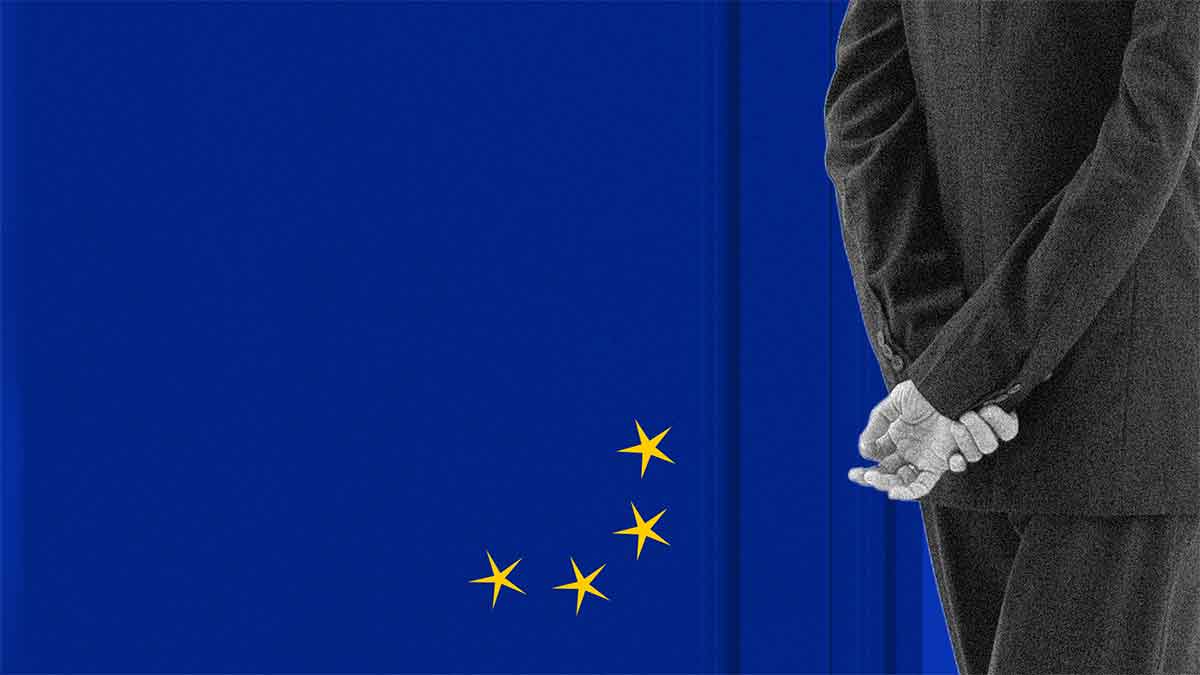
Government Efforts to Protect Policy from Tobacco Industry Interference Deteriorate in 46 Countries

Government Efforts to Protect Policy from Tobacco Industry Interference Deteriorate in 46 Countries

Read this press release in Spanish or Portuguese.

New Report Reveals the Tobacco Industry’s Increasingly Aggressive Efforts to Influence Health Policy

(New York, United States, and Bangkok, Thailand, November 11, 2025): The tobacco industry has ramped up its efforts to cultivate relationships and influence policymakers at all levels of government, to help protect cigarette sales and promote the sale of its addictive e-cigarettes, heated tobacco products and nicotine pouches. This uptick in aggressive industry tactics highlights that many governments are not doing enough to reject these tactics as required under a global treaty, the WHO Framework Convention on Tobacco Control (WHO FCTC).

A new report from STOP and the Global Center for Good Governance in Tobacco Control (GGTC), The Global Tobacco Industry Interference Index 2025, reveals that policymakers across a wide range of countries were approached with paid-for junkets to visit industry facilities, promises of investment and employment, and corporate social responsibility efforts designed to distract from the industry’s social and environmental harms. In some countries these tactics are working, with lawmakers endorsing industry activities and even proposing bills on its behalf.

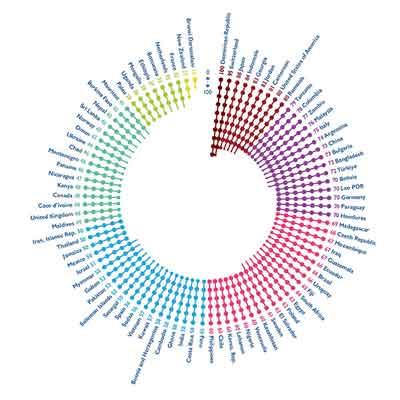
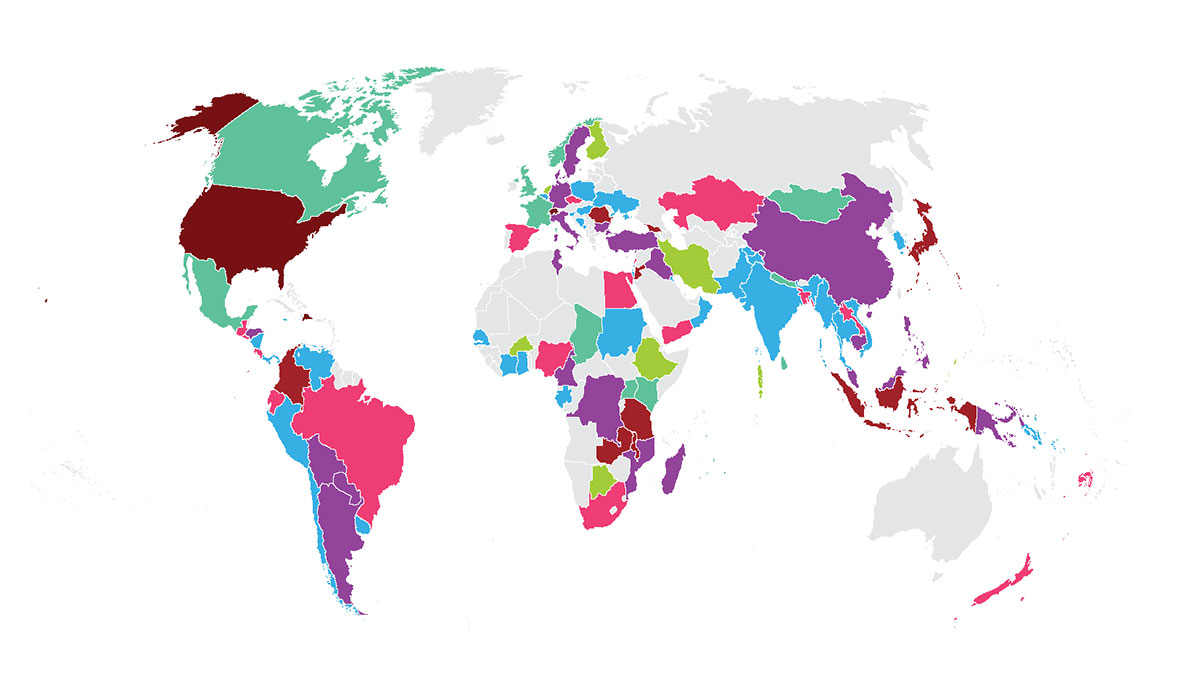
The new Index—a global survey on how governments respond to and protect their public health policies from tobacco industry interference—reveals a worsening of the negative trend identified in previous reports. Analysis from civil society organizations shows scores getting worse for about half (46) of the 90 countries analyzed in the 2023 report, while about one-third (34) improved their score.

Key findings include:

  • Brunei Darussalam, Palau, Botswana, Finland, the Netherlands and Ethiopia ranked best overall.
  • The worst-scoring countries were the Dominican Republic, Switzerland, the United States, Georgia and Japan—all countries in which the industry has a significant presence.
  • New Zealand, the United States, Cambodia, Nicaragua, France and the Philippines saw the greatest deterioration in their scores since the 2023 report. In the rankings, New Zealand fell from 2nd in 2023 to 53rd in 2025, a drop of 51 places. Cambodia fell 28 places, Nicaragua 27 places and the Philippines 22 places.
  • The most improved scores were recorded by Uruguay, the Maldives, Palau, Chile, Canada and Venezuela.
  • Within each region and income level, there are significant differences in scores between the best- and worst-performing governments, confirming that repelling the industry is a matter of political will rather than wealth or geography.

“The evidence shared by civil society reveals a stark truth,” said Mary Assunta, PhD, Head of Global Research and Advocacy for the Global Center for Good Governance in Tobacco Control, a partner in the STOP network and lead author of the Index. “The industry is getting bolder and more brazen in interfering with public policy. While some governments have stood up against blatant meddling, others have given in to industry arm twisting. If this is what is reported publicly, what is happening behind closed doors? Any lack of transparency in governments’ interactions with the industry offers a breeding ground for interference.”

Additional findings:

  • Industry interference delayed comprehensive tobacco control laws in at least 10 countries: Bolivia, Bosnia, Chile, the Democratic Republic of Congo (DRC), Jamaica, Malawi, Mozambique, Papua New Guinea (PNG), Tanzania and Zambia.
  • Parliamentarians in 14 countries filed pro-industry bills, promoted legislation to benefit the industry, or accepted industry input that delayed or sought to prevent the adoption of tobacco control measures.
  • Argentina, Bangladesh, Bulgaria, Georgia, Israel, Lebanon, Poland, Sweden, Tunisia and Ukraine delayed or did not increase tobacco taxes.
  • New Zealand and Uruguay illustrate the fragile nature of progress and the importance of political will. New Zealand is the most deteriorated country since 2023 as a new government reversed tobacco control policies. While Uruguay was the most deteriorated in 2023, it is the most improved in 2025, with the government not allowing the industry to participate in the development of public health policy.
  • The industry adapted to overcome new barriers: As tobacco-related ‘Corporate Social Responsibility’ activities were denormalized or banned, the industry increasingly refers to them as ‘sustainability activities.’
  • In 22 countries, including Brazil, Colombia, Pakistan and the United States, senior government officials joined tobacco companies or in countries including Ecuador, Ghana, Jamaica and New Zealand, industry executives took up senior government positions. In five additional countries—Bangladesh, DRC, Jordan, Sri Lanka and Tunisia—public officials simultaneously held industry jobs.
The industry is getting bolder and more brazen in interfering with public policy.

Mary Assunta, PhD, lead author of the Index

The industry stepped up its efforts to engage directly with policymakers:

  • The industry solicited interactions with parliamentarians, government ministers and even heads of state and routinely targeted other government departments, such as agriculture, trade and economy, to sideline ministries of health.
  • Phillip Morris International (PMI) funded junkets for members of parliament, ministers and governors from countries including Brazil, Denmark, Finland, Mozambique and the United Kingdom to visit its facilities in Switzerland or Italy. A senator in Brazil subsequently introduced a bill attempting to reverse the country’s ban on e-cigarettes, youth parliamentarians in Denmark criticized proposed legislation to raise the purchase age of tobacco and nicotine products and a Member of the House of Lords in the United Kingdom proposed amendments to the Tobacco and Vapes bill.
  • The President of Lebanon visited and endorsed the work of the state-owned tobacco enterprise. The Presidents of Tanzania and Kazakhstan met with senior PMI executives. The First Lady of the Philippines led the inauguration of a PMI manufacturing facility. The Prime Minister of Romania delivered a supportive keynote speech at Philip Morris Romania’s 30th anniversary event. The Prime Minister of Pakistan approved a request by British American Tobacco’s (BAT) subsidiary, Pakistan Tobacco Company, to amend the country’s tobacco control law.

“Policymakers should not be fooled: the industry will always act in its own self-interest to the detriment of the public good,” said Jorge Alday, Director, STOP at Vital Strategies. “What it spends on hosting policymakers in Italy, Switzerland, or Japan, or on ‘corporate social responsibility,’ or even taxes on its products, is dwarfed by the billions of dollars in profits the industry gets from selling addictive, harmful products. While some governments have taken commendable steps to reject industry influence and promote Article 5.3 across the whole of government, the 2025 Index confirms that much more must be done. Policymakers across government need to know their responsibilities, be transparent about their interactions with industry and be held accountable for breaches in their obligations.”

Please contact the STOP press office for more information or to speak to a STOP spokesperson.

Notes to Editors:

About the Global Tobacco Industry Interference Index (Global Tobacco Index)

The Global Tobacco Industry Interference Index is a global survey on how governments are responding to tobacco industry interference and protecting their public health policies from commercial and vested interests, as required under the WHO Framework Convention on Tobacco Control. The Global Tobacco Index was first produced by the Global Center for Good Governance in Tobacco Control (GGTC) in 2019 as part of tobacco industry watchdog, STOP, covering 33 countries. The Global Tobacco Index 2025 is the fifth edition of the report, which now covers 100 countries.

Methodology

Civil society groups gather information that is in the public domain to answer a questionnaire based on Guidelines for the Implementation of Article 5.3 of the WHO FCTC, covering cases of industry interference in policy development and implementation, conflicts of interest and access to senior government officials. A scoring system is applied to make the assessment, ranging from 0–5, where 5 indicates the highest level of industry interference and 1 is low or no interference. Countries are ranked according to the total scores provided by civil society groups. The lower the score, the lower the overall level of interference.


About STOP

STOP is a network of academic and public health organizations operating globally as part of the Bloomberg Initiative to Reduce Tobacco Use. STOP connects experts in all aspects of the tobacco industry’s business to expose and counter its relentless efforts to sell harmful, addictive products. For more information, visit exposetobacco.org.

About The Global Center for Good Governance in Tobacco Control

The Global Center for Good Governance in Tobacco Control (GGTC) collaborates with advocates, governments, and institutions around the world to tackle the single greatest obstacle in tobacco control implementation: tobacco industry interference. Its mission is to empower change-makers by equipping them with cutting-edge strategies and tools so that the health and wellness of millions worldwide would not suffer at the hands of the tobacco industry. GGTC, based in Bangkok, Thailand, is a global initiative of the Southeast Asia Tobacco Control Alliance (SEATCA). For more information, visit ggtc.world.